Welcome: Chengdu JUYUAN Optoelectronic Technology Co., Ltd.
Language:
 ∷
∷

∷
 ∷
∷

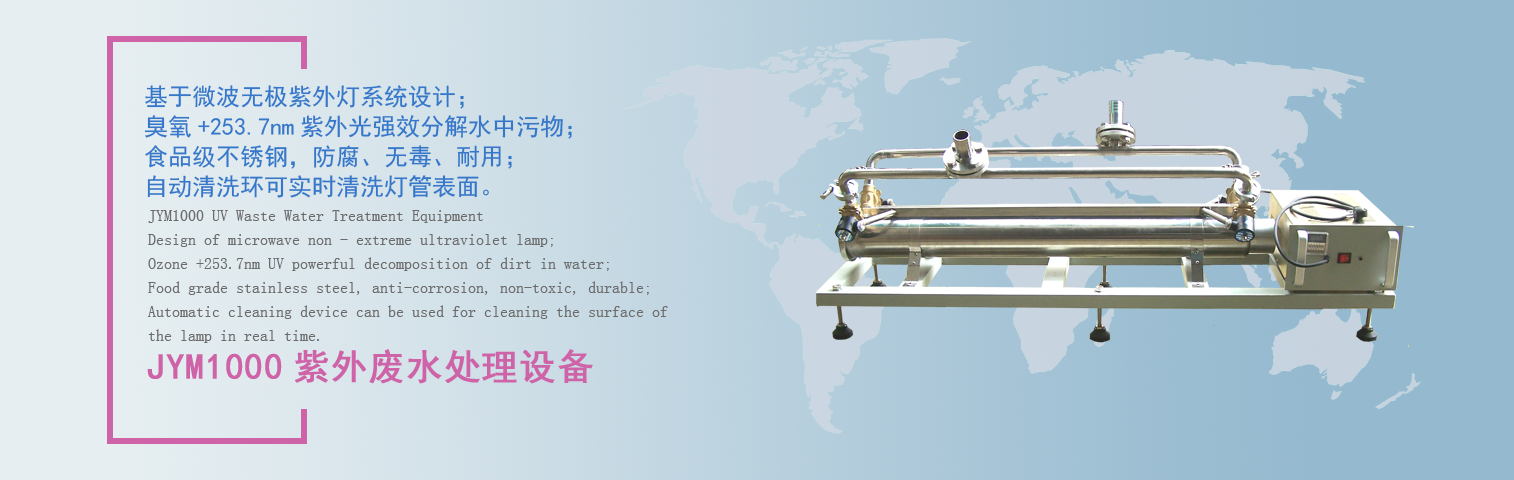
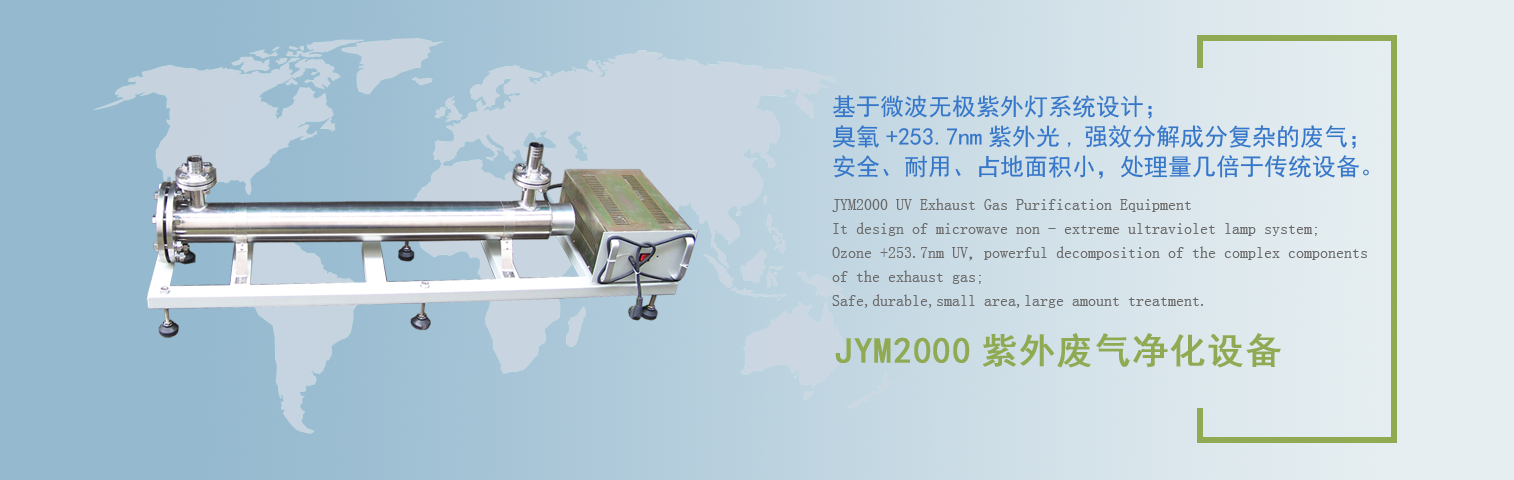

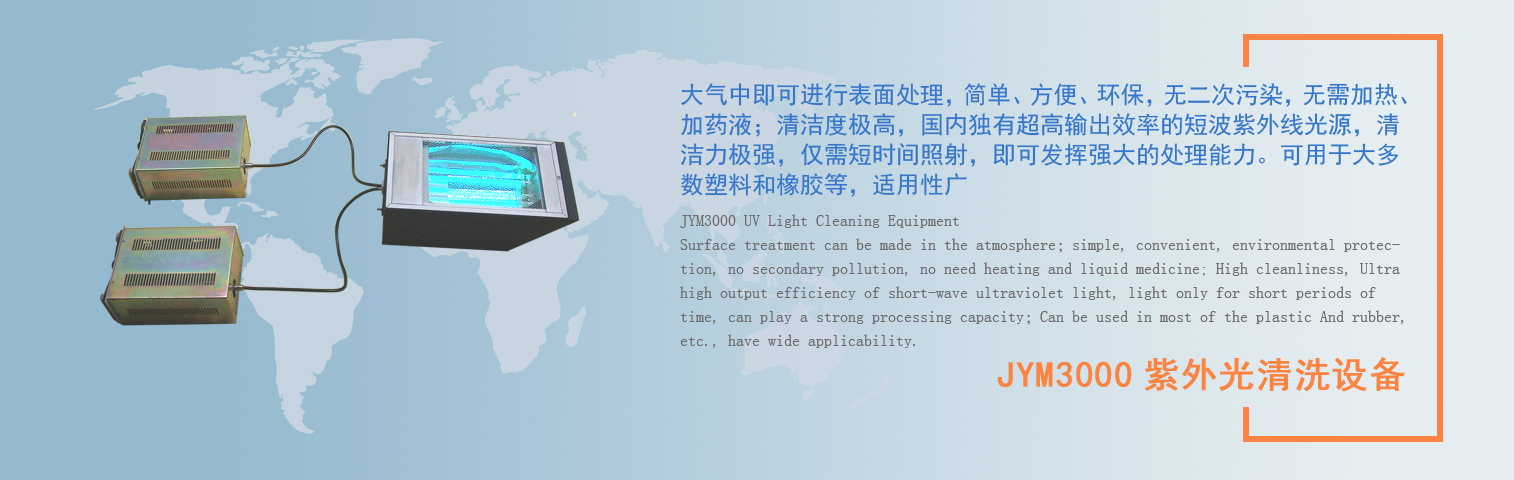
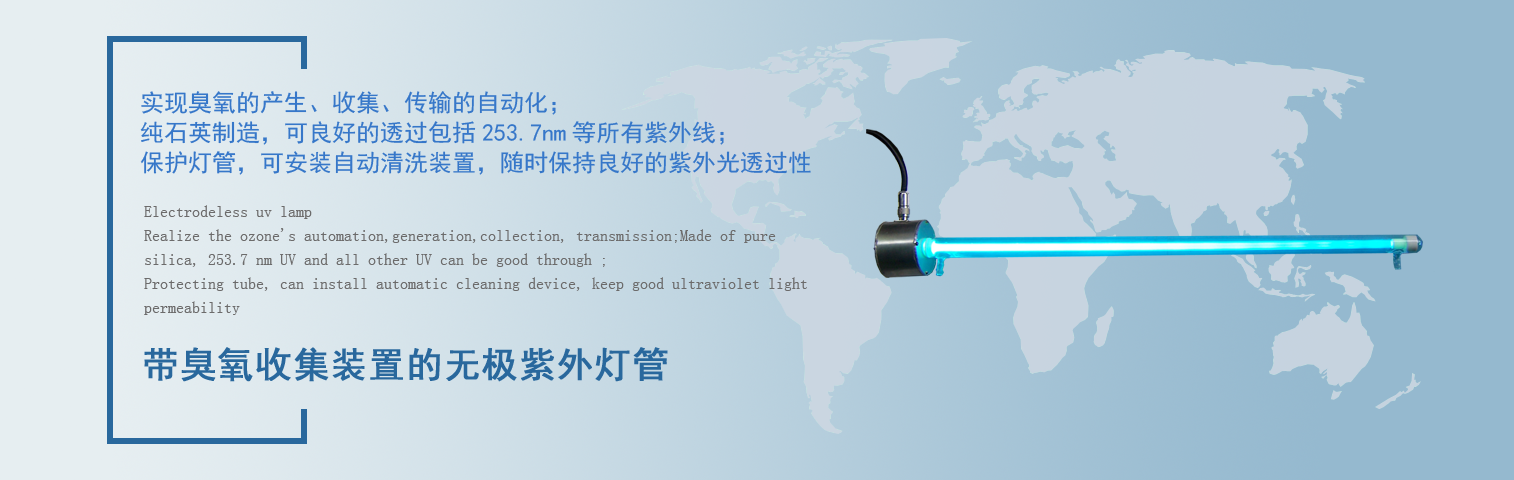
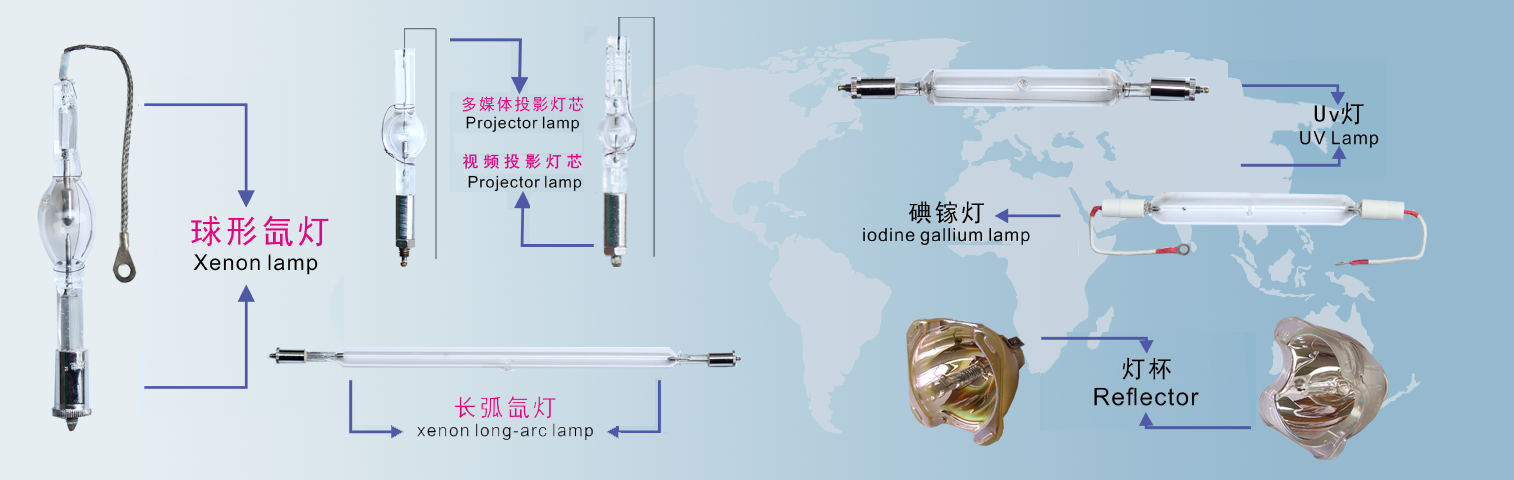
In the world of photochemical experimentation, the UV source is never just a lamp—it's more like the "ammunition" for researchers. I've recently been working with an iron halide lamp-based liquid reaction module, and there are some real-world impressions worth sharing.
Let's start with the lamp itself. The iron halide lamp (often called a halogen Iron lamp) is fundamentally different from standard UV lamps—it's "wild" in the best way. Its UV spectrum isn't just a few isolated lines; it stretches continuously from near-UV all the way into the mid-UV region, with its main peak parked right at 385nm. The energy is substantial, the distribution is broad, and the entire spectral range is densely packed. In plain terms, it's not picky. For reaction systems that require broad-spectrum excitation—especially UV coating curing and those complex photochemical reactions in the lab that demand synergistic effects across multiple UV bands—the iron lamp often turns out to be the more reliable choice.
Now, onto the liquid reaction module itself. At its core, this is a flow-through photoreactor designed around the iron lamp, specifically built to handle liquids (and gases, if needed). The design philosophy is compact and functional. The key component is a narrow flow channel made of high-purity quartz, which forces the liquid into an extremely thin film as it passes directly past the light source. The beauty of this configuration lies in one simple fact: short-wave UV has limited penetration depth in liquid. If the layer is too thick, the molecules at the bottom simply never "see" the photons. By keeping the liquid film thin, the module ensures that every unit volume of liquid receives full irradiation, resulting in a tangible boost in reaction efficiency. And since quartz offers exceptional UV transmittance, there's virtually no energy loss along the way—a critical factor when you're trying to nail energy utilization metrics.
What I find even more practical is its compatibility. This module isn't an isolated piece of kit—it plays nicely with microwave-powered electrodeless UV lamps and iodogallium lamp modules, letting you piece together coverage across different UV bands as needed. For instance, electrodeless lamps generate ozone during operation. If your reaction calls for a stronger oxidative environment, you can easily route that ozone into the iron lamp reaction zone. The combination of photolysis and ozone synergy can yield surprisingly good results with certain recalcitrant organic compounds.
On the operational side, this unit clearly understands the pain points of a working lab. It's compact enough to tuck into any corner of your bench. The liquid circulation is driven by a built-in pump with adjustable flow control, so you can fine-tune the hydraulic retention time and accurately calculate the irradiation dose per unit volume. For researchers, that level of controllability directly translates into reproducible data—and that means more confidence when writing up those papers.
Finally, let's talk applications. Environmental science groups in universities use it for advanced oxidation mechanism studies. Environmental consulting firms run it to evaluate pretreatment strategies for wastewater. Chemical companies deploy it for small-scale photocatalytic process trials. It's also an excellent tool for live demonstrations to clients, showing exactly what UV photochemistry can achieve. If you're dealing with small-to-medium flow rates of complex liquids or gases, and you need broad-spectrum UV capability, this iron lamp module is definitely worth putting on your shortlist. At the end of the day, real results speak louder than specs. Run a couple of test batches, and the numbers will tell you everything you need to know.
Contact: QianShuang
Phone:
Tel: (86)028-84123481
Email: vigce_com@126.com
Add: NO.178 WenJia Road,Chengdu,Sichuan,P.R.China
 vigce
vigce vigce
vigce
 vigce
vigce